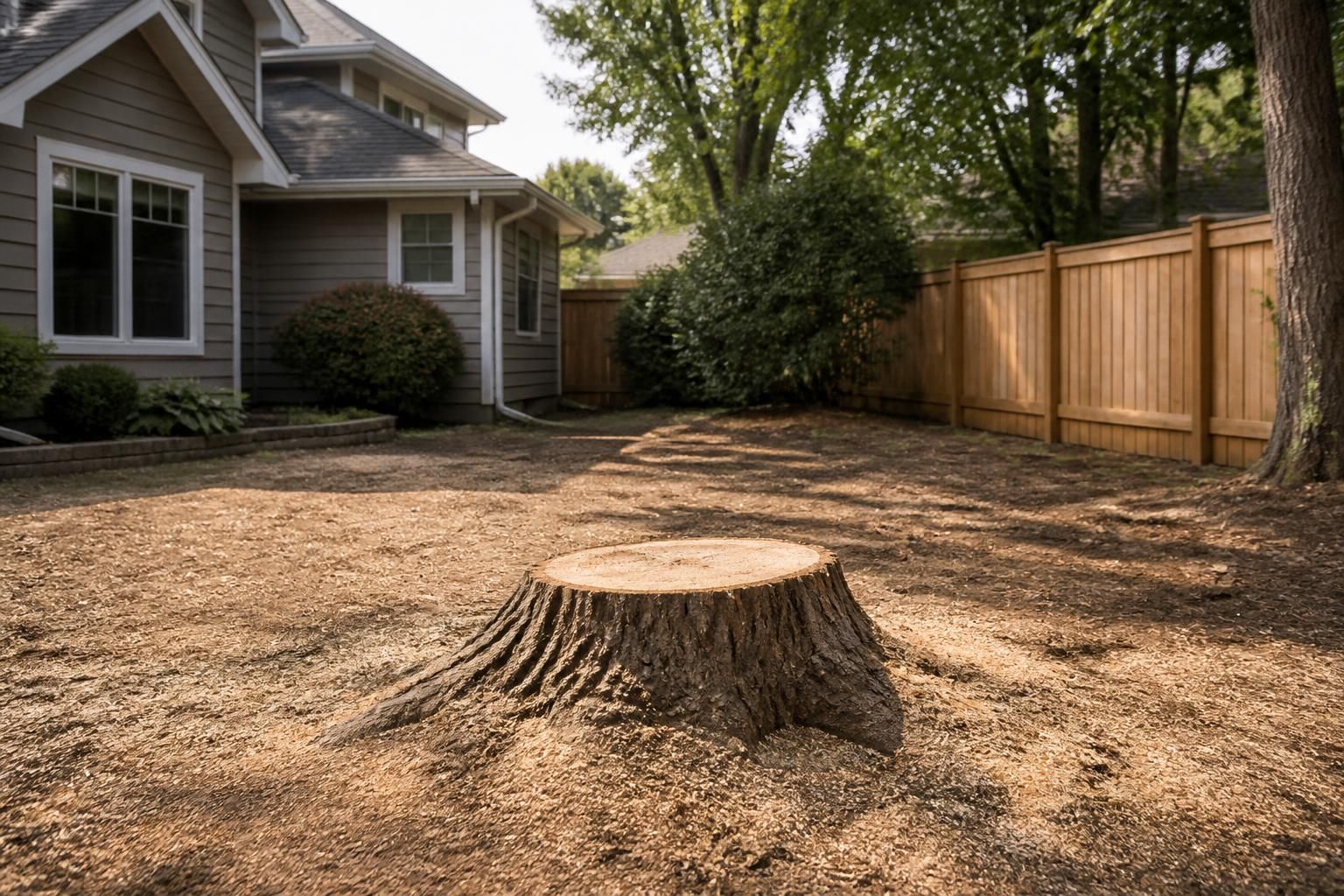
A tree leaning over your roof, a cracked trunk across the yard, or heavy limbs hanging after a storm can turn a normal day into a safety problem fast. If the tree looks unstable, keep people away from the area and call for help before the damage spreads.
Emergency Tree Service Fort Mill handles urgent tree removal work for homes and properties across Fort Mill, SC. We remove fallen trees, hazardous trees, broken branches, and storm-damaged debris with a focus on reducing risk and clearing access as quickly as possible.
Some tree problems are more than a cleanup task. They can threaten roofs, driveways, fences, vehicles, and walkways, especially when a trunk has split or roots have lifted. If you notice sudden changes after wind or rain, treat the tree as unstable until it is checked.
Common signs that call for fast removal include:
When those signs show up, waiting can make the situation harder to control. The tree may shift again, break further, or drop debris where people walk and park.
Emergency Tree Service Fort Mill helps with a wide range of urgent tree situations across Fort Mill, SC. We handle the kind of tree problems that create immediate danger, limit access, or leave a property exposed after wind, rain, or lightning.
Some calls involve one fallen trunk. Others involve broken branches, splintered limbs, or a tree resting against another structure. We look at the whole hazard, not just the obvious piece on the ground, so the work addresses what could still fail next.
Before removal begins, we look for the parts of the tree that are still under stress. That matters because a damaged tree can move unpredictably when it is cut or lifted. The goal is to reduce risk while making a clear path for cleanup and removal.
We check the lean, the break points, the root zone, and nearby obstacles. A tree can appear still while holding tension in the trunk or limbs, so the first step is understanding how it may react once work starts.
Next, we consider how the tree is sitting on the property. A fallen trunk across a driveway needs a different approach than a split tree hanging over a fence or stacked against another tree. Clearing the safest path matters just as much as removing the wood itself.
After the hazard is addressed, we move through cleanup so the area is easier to use again. That can include hauling debris, cutting large sections down to manageable size, and grinding stumps when the situation calls for it.
If a tree has failed or looks close to failing, your next steps can help limit damage and keep people safer. Stay out of the drop zone and avoid touching branches that are under tension or pressing against a structure.
Clear details help us understand the situation before arriving, which makes the response more focused once work begins.
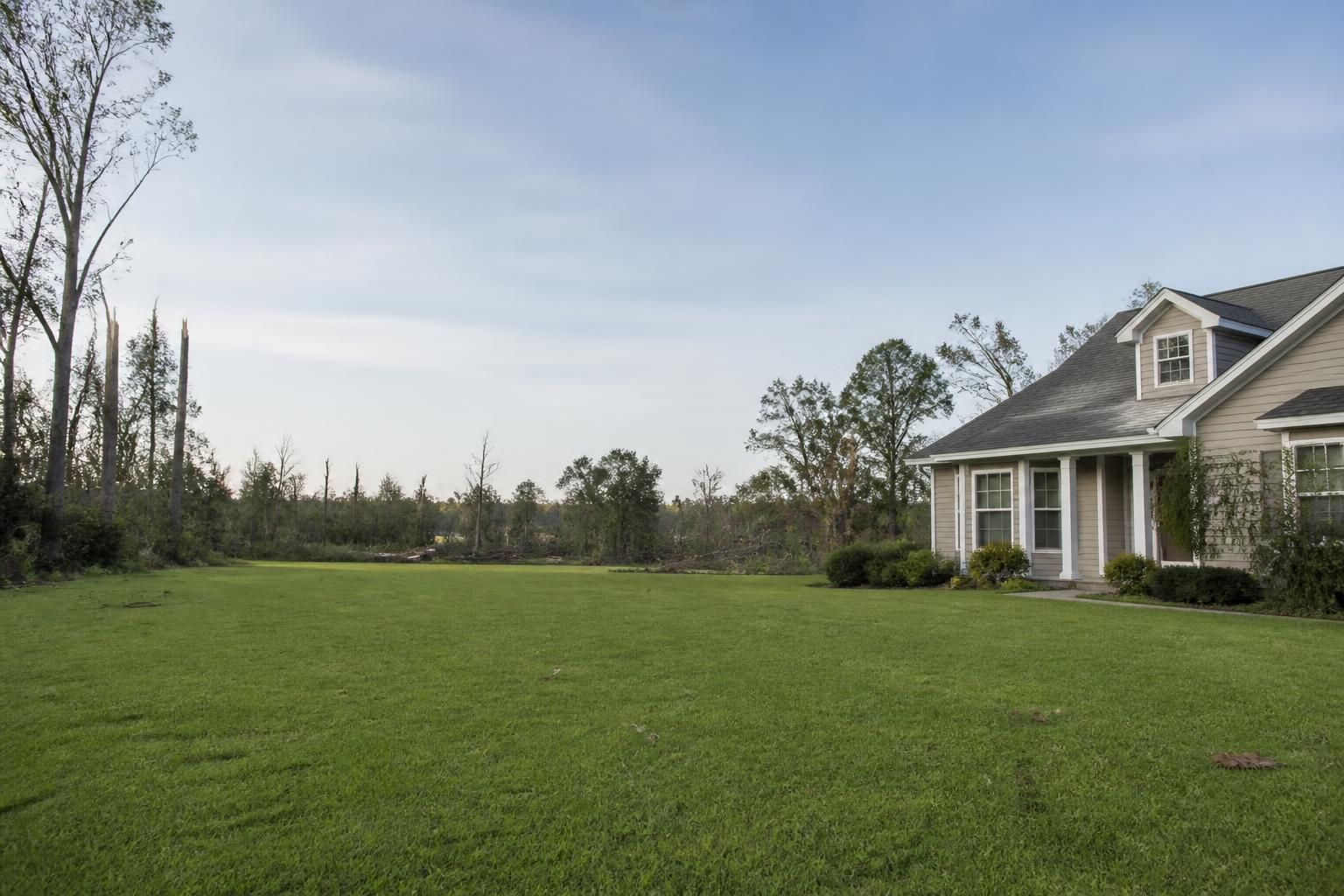
Wind and rain can leave behind more than a single downed tree. A damaged yard may include scattered limbs, broken tops, bark strips, and brush that has snapped off during the event. Cleanup often needs to happen alongside removal so the property can be accessed safely again.
For storm-related calls, we may remove a fallen trunk, cut back broken limbs, clear brush, and address leftover debris that blocks paths or creates new hazards. If a tree has split but not fully fallen, the unstable section may need attention before it drops further.
Homes and properties across Fort Mill, SC often need a practical cleanup plan after a storm. The sooner the unstable wood is handled, the less chance there is for secondary damage from shifting pieces or blocked access.
Every removal is shaped by the condition of the tree and where it landed. A hazardous tree near a house is handled differently than a trunk down across an open yard. Even so, the work usually follows a clear order.
This approach helps limit additional breakage while making the property easier to use again. It also keeps the work centered on the actual damage instead of rushing through the problem.
Once the dangerous tree or branch is removed, the property may still need attention. Stumps can remain as trip hazards or block mowing. Large brush piles can make it hard to see what else was damaged. Sometimes a fallen tree reveals broken fencing, crushed plants, or other hidden debris that was covered during the storm.
That is why tree removal is often only part of the job. Brush clearing and stump grinding can help finish the work and reduce leftover obstacles. If more trees are now exposed to stress, pruning or trimming may also be appropriate once the immediate hazard has been handled.
We work to remove the urgent problem first, then clear what is left behind so the property is easier to manage.
A tree that suddenly leans, shows fresh cracking, or has roots lifting from the ground may be unstable. Hanging limbs and split trunks are also warning signs that should not be ignored.
Yes. Damage from wind, rain, or lightning can weaken the trunk or roots so the tree stays standing for a while before giving way later.
They do. Broken branches can fall unexpectedly, and a damaged canopy can signal deeper stress through the tree.
Keep vehicles back and avoid moving pieces that may be holding tension. A blocked driveway is one of the situations where fast removal matters because the tree may shift again.
Yes, brush clearing can be part of the cleanup when the debris is tied to the tree damage. That helps open up the area and makes the site easier to walk through.
Tell us what happened, where the tree is located on the property, and whether it is leaning, split, fallen, or resting on another structure. A clear description helps us understand the urgency of the job before we arrive.
When a tree becomes dangerous, quick removal is about protecting your home, your access, and the people around the property. Emergency Tree Service Fort Mill handles urgent tree removal work for Fort Mill, SC and nearby areas like Rock Hill, Tega Cay, Lake Wylie, Pineville, Indian Land, Charlotte, Baxter Village, Riverview, Newport, Clover, and York.
If you need to talk through a hazardous tree, call +18036206180 or email contact@EmergencyTreeServiceFortMill.com. We are available Monday through Saturday from 08:00 to 19:00.
Get Help Fast
Tell us what happened, where the damage is located, and what kind of tree issue you are facing. We will help you determine the next step for urgent removal, cleanup, or hazard reduction.