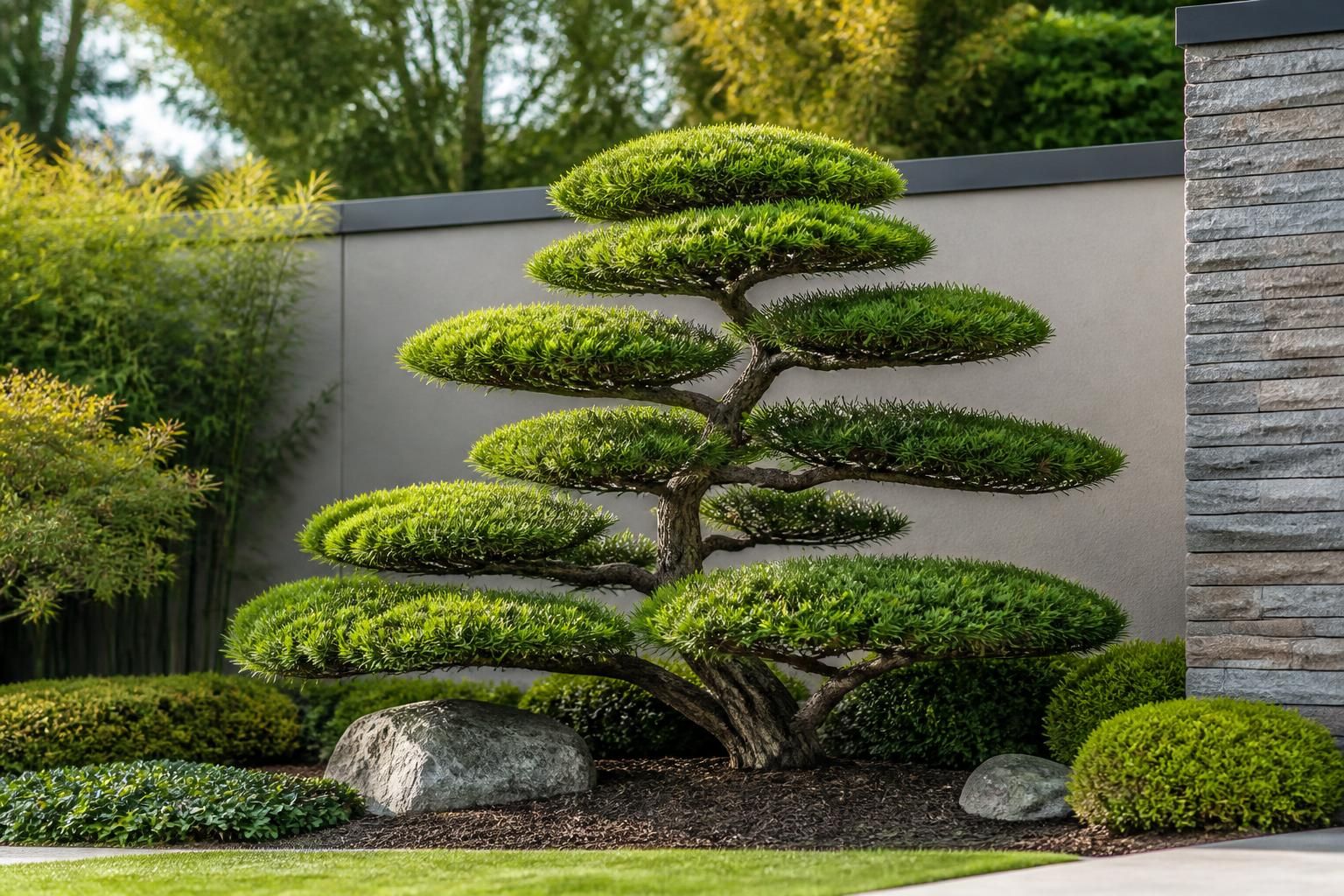
Branches that rub together, hang too low, or crowd your roof can turn a healthy-looking tree into a constant concern. If you have limbs brushing the house, blocking light, or growing heavier than they should, tree pruning may be the next smart step for your property.
Emergency Tree Service Fort Mill helps homeowners across Fort Mill, SC with pruning that removes problem growth while keeping the tree’s natural form intact. We focus on cuts that reduce strain, improve clearance, and support better structure without turning your yard into a patchwork of overcut branches.
Tree pruning is not just about appearance. It is often the right service when growth starts affecting safety, visibility, or the space around your home. In Fort Mill, SC, many trees need selective cuts to stay manageable as they mature.
You may want pruning if you notice any of these signs:
When pruning is done with care, the tree keeps its shape while getting relief from excess weight and awkward growth patterns.
Pruning is a selective process. It removes only the parts that are causing problems or holding the tree back, while leaving the strongest structure in place. That approach matters because cutting too much, or cutting the wrong limbs, can stress the tree and leave it looking uneven.
At Emergency Tree Service Fort Mill, we use pruning to address practical concerns such as clearance, structure, and balance. For homeowners, that can mean a yard that feels more open, a tree that is easier to live with, and less pressure from branches growing where they should not.
Before pruning starts, we look at how the tree is growing, where the problem limbs are located, and what kind of cut will help without overworking the tree. A careful assessment matters because different trees and branch patterns call for different approaches.
We also consider what the tree is doing on your property. A branch can be minor from one angle and a real concern from another if it is over a roofline, near a driveway, or leaning into a tight space. That is why pruning should be specific to the tree, not just routine trimming by habit.
We check where the main limbs split and whether any branches are competing for space or weakening each other.
We identify crowded, crossing, or low-hanging limbs that are causing clearance concerns.
We note signs of dead wood, stress, or breakage so the cut plan fits the tree’s condition.
We look at roofs, fences, walkways, and other areas that may be affected by current growth.
Good pruning is selective and measured. It should leave the tree looking natural, not stripped or lopsided. Different situations call for different cuts, and the goal is always to improve the tree’s structure while removing the parts that create problems.
Depending on the tree, we may focus on thinning crowded sections, shortening overextended limbs, or removing branches that are dead or damaged. The right method depends on how the tree is growing and what the property needs from it.
Tree pruning is usually straightforward, but the results depend on the starting condition of the tree. A tree with a few crowded branches needs a different approach than one with large limbs pressing against the home or hanging low over a high-traffic area.
Emergency Tree Service Fort Mill works carefully so the finished tree looks intentional and balanced. We aim to remove what is causing the concern while keeping the tree’s appearance natural to the landscape.
Once pruning is finished, you should notice cleaner spacing, better visibility, and less stress from heavy or awkward branches. The tree may also look more open without losing its character. For many Fort Mill, SC homeowners, that is the change they wanted all along, a tree that fits the property instead of crowding it.
We also make sure cut areas are handled with care so the tree is left tidy and the yard is ready for use again.
Some branches can wait. Others become a problem fast, especially after periods of active growth or after a branch has already started to weaken. When a tree is telling you it needs attention, waiting too long can make the work more complicated.
Call for pruning sooner if you see:
If those signs are present, pruning can often reduce risk and help the tree recover its shape before the situation gets worse.
We serve Fort Mill, SC and nearby communities throughout the area, including Tega Cay, Lake Wylie, Indian Land, Baxter Village, Riverview, Newport, Clover, York, Rock Hill, Pineville, and Charlotte. That local reach makes it easier to help homeowners who need tree pruning for one tree or several around the property.
Emergency Tree Service Fort Mill is open Monday through Saturday from 8:00 AM to 7:00 PM, and we are closed on Sunday. You can reach us at +18036206180 or contact@EmergencyTreeServiceFortMill.com to ask about pruning for your trees in Fort Mill, SC.
Pruning removes selected branches to improve structure, clearance, and appearance. Tree cutting usually means removing a larger section of the tree or taking down the tree itself when pruning is not enough.
Yes. Selective pruning can open dense growth, reduce visual clutter, and make the canopy feel lighter without changing the tree beyond recognition.
It often will. Low branch removal is a common reason homeowners ask for pruning, especially when limbs interfere with walking space, visibility, or outdoor use.
Dead branches can break unpredictably and should be addressed as soon as they are noticed. Removing them can reduce the chance of falling debris and help the tree keep a cleaner structure.
Yes. When branches cross or rub, one or both can be weakened over time. Pruning can remove the conflicting growth and reduce that friction.
No. The right timing depends on the tree’s growth pattern, condition, and location on the property. Some trees need attention more often than others, while some only need occasional selective cuts.
If a tree is crowding your home, blocking access, or showing weak and awkward growth, pruning can bring it back into better shape. Emergency Tree Service Fort Mill handles tree pruning for homeowners across Fort Mill, SC with careful cuts that match the tree and the property.
Reach out when you want the branches thinned, lifted, or corrected with a practical plan that respects the tree’s natural structure and your space.
Get Help Fast
Tell us what happened, where the damage is located, and what kind of tree issue you are facing. We will help you determine the next step for urgent removal, cleanup, or hazard reduction.