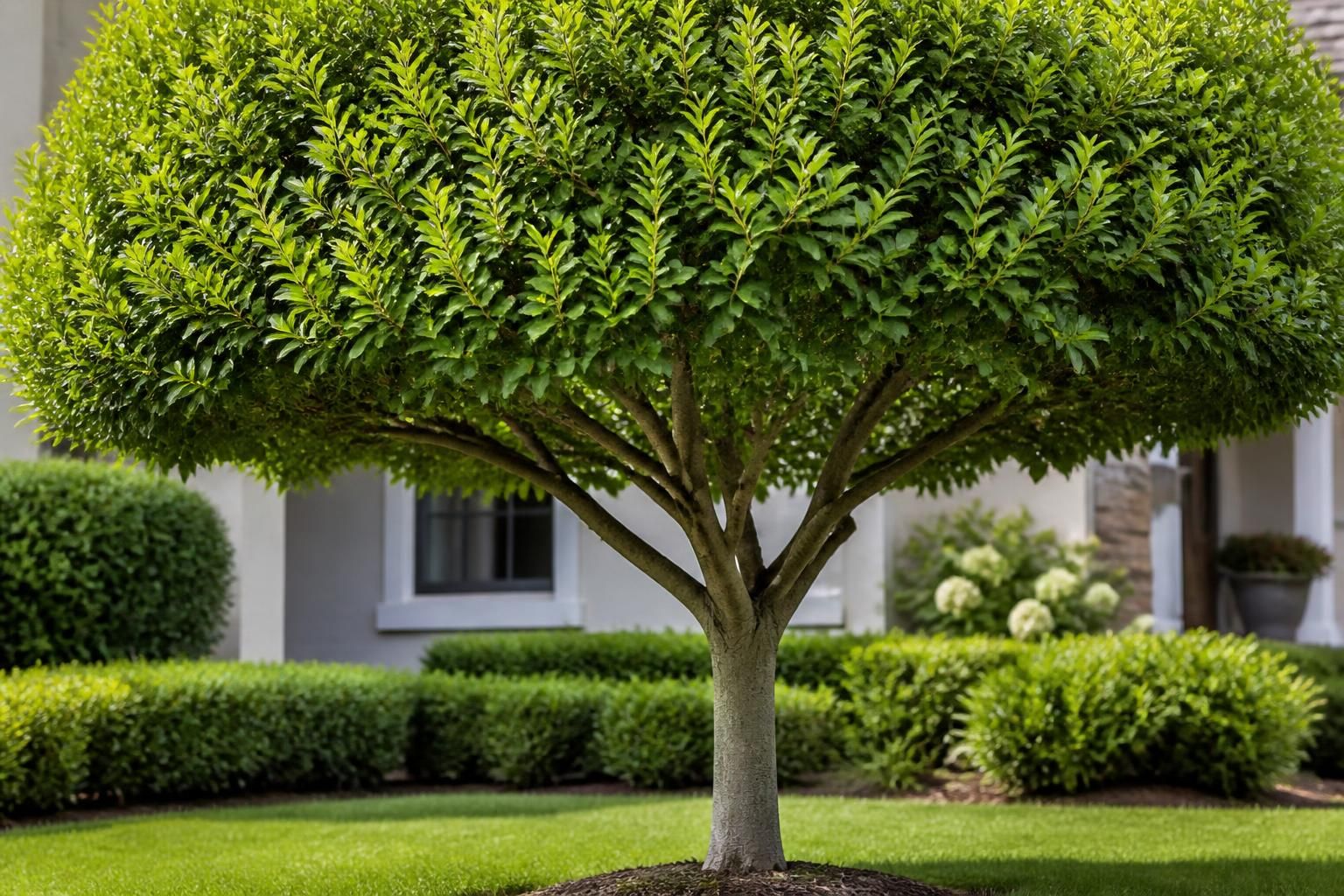
Branches scraping the roof, crowding windows, or hanging too low over a driveway can turn a healthy-looking tree into a daily frustration. If limbs are stretching too close to the house or blocking the sunlight your yard depends on, tree trimming can bring the canopy back under control without stripping away the tree’s natural shape.
When growth gets dense, broken, or uneven, it is time to act before the weight shifts, sight lines close off, or weak limbs start to fail. Emergency Tree Service Fort Mill helps homeowners across Fort Mill, SC trim problem branches with a careful approach that supports safer trees and a cleaner landscape.
Tree trimming is useful when branches begin to affect how you use your property or how the tree carries its own weight. It is not only about appearance. Good trimming can reduce contact with structures, open crowded limbs, and remove weak growth before it becomes a larger concern.
We often see trimming requested when a tree is starting to overreach. A few thoughtful cuts can make a major difference without removing more than necessary.
Emergency Tree Service Fort Mill trims with a focus on the tree’s structure, the home around it, and the long-term shape of the canopy. We do not treat every tree the same way. A young ornamental tree needs a different cut than a mature shade tree with heavy limbs and layered growth.
Before any cuts are made, we look at where the tree is crowded, what is damaged, and how the remaining branches will read from the ground. That helps us remove what is needed while keeping the tree balanced.
Some trees only need selective thinning to reduce crowding. Others benefit from removing crossing limbs, awkward growth, or branches that are pulling the canopy out of form. The goal is to leave a cleaner branch pattern that holds up better over time.
If limbs are close to a roofline, fence, driveway, or outdoor living space, trimming can create the clearance needed for safer day-to-day use. This can also help reduce ongoing scraping, shading, and contact with nearby surfaces.
Trimming is more effective when the right branches are chosen for removal. Cutting too little leaves the problem behind. Cutting too much can stress the tree. We focus on the branches that add risk, crowding, or poor structure.
In some cases, trimming also supports better tree pruning decisions for trees that need a more careful structural cleanup rather than a simple cutback. The right service depends on the tree’s condition and how it is growing.
Many homeowners wait until a branch breaks before calling for help, but trees often show warning signs first. Watching for those changes can help you address the problem while it is still manageable.
If you notice any of these signs on a tree near your home, a careful trim may be the right next step. Emergency Tree Service Fort Mill can assess the growth and recommend cuts that match the condition of the tree.
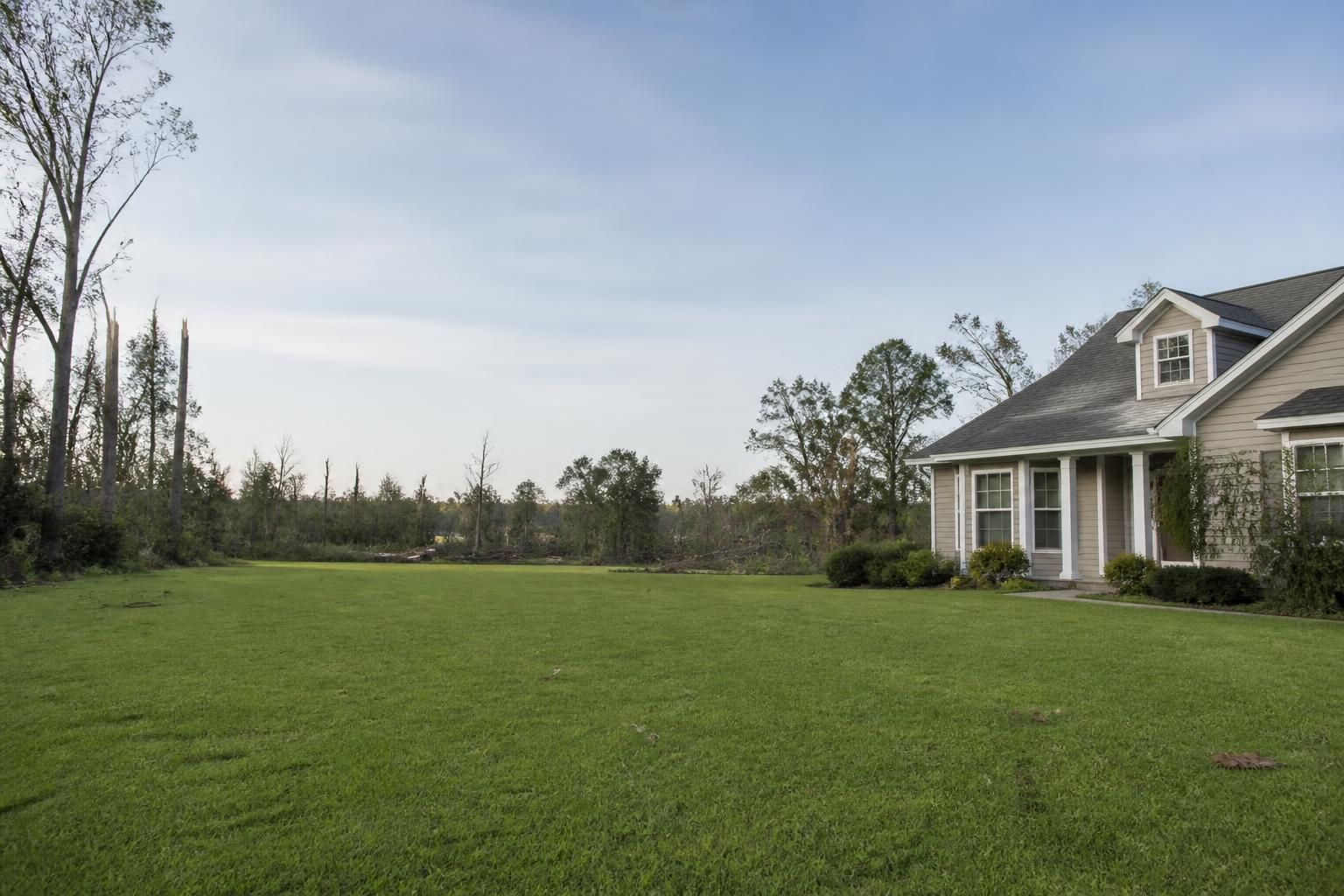
Storms can leave behind snapped limbs, twisted branches, and trees with uneven weight after damage. Trimming can be an important part of restoring safety and order after wind, rain, or lightning-related damage. It can also help reduce the chance that weakened branches continue to shed debris.
When storm damage leaves a tree looking rough or unstable, we look at what can be removed cleanly and what needs more extensive attention. That may involve fallen tree removal, hazard tree removal, or emergency branch removal, depending on what the tree has gone through. The right response depends on where the damage is and how much of the canopy remains.
Cleanup after a storm is not just about appearance. It is about removing hazardous pieces, restoring access, and helping the tree settle into a safer form.
Tree trimming often works alongside other services when a property has more than one concern. A tree with heavy top growth may also need pruning. A tree that has lost major limbs may need storm damage tree removal. A tree with a damaged lower structure may need large tree removal instead of a simple trim.
We also handle tree cutting services, stump grinding, stump grinding and removal, and storm damage cleanup when a project requires more than branch work. The point is not to sell extra work. It is to match the solution to the tree’s actual condition.
For Fort Mill, SC homeowners, that means one call can cover a wide range of tree concerns without guesswork. Emergency Tree Service Fort Mill can help you decide whether the tree should be trimmed, reduced, cleared, or removed altogether.
A good trimming visit should leave you with a tree that looks intentional, not hacked apart. You should see cleaner lines, less crowding, and better clearance around the spaces you use most.
Homeowners often ask for trimming before a busy season, before guests arrive, or after noticing a branch that keeps getting closer to the house. Whatever the timing, the job should feel straightforward and measured.
That depends on the tree’s growth rate, shape, and location. Trees close to structures or high-traffic areas may need attention more often than trees with open space around them.
Yes. Selective trimming can open the canopy, remove crowded growth, and restore a more balanced outline without changing the tree beyond recognition.
When cuts are chosen with care, trimming helps reduce strain instead of adding it. Removing too much at once can create stress, which is why the size and placement of cuts matter.
Yes. If a tree has split, snagged, or lost limbs, trimming can remove damaged pieces and make the remaining canopy safer and more stable.
Sometimes. A tree may have sections that can be trimmed while other parts are too damaged to keep. In those cases, we look at the tree as a whole before deciding on the next step.
Most homeowners prefer the cut material cleared from the site, especially when larger limbs or brush are involved. Cleanup can be part of making the property usable again after the work is finished.
If your tree is crowding the house, hanging too low, or starting to look uneven, trimming can help restore order without unnecessary removal. In Fort Mill, SC, those small changes can make daily life easier, protect surrounding spaces, and keep your trees more manageable as they grow.
Emergency Tree Service Fort Mill is ready to handle tree trimming with a careful eye for structure, clearance, and cleanup. If you are dealing with branches that need attention, reach out at contact@EmergencyTreeServiceFortMill.com or call +18036206180.
Get Help Fast
Tell us what happened, where the damage is located, and what kind of tree issue you are facing. We will help you determine the next step for urgent removal, cleanup, or hazard reduction.