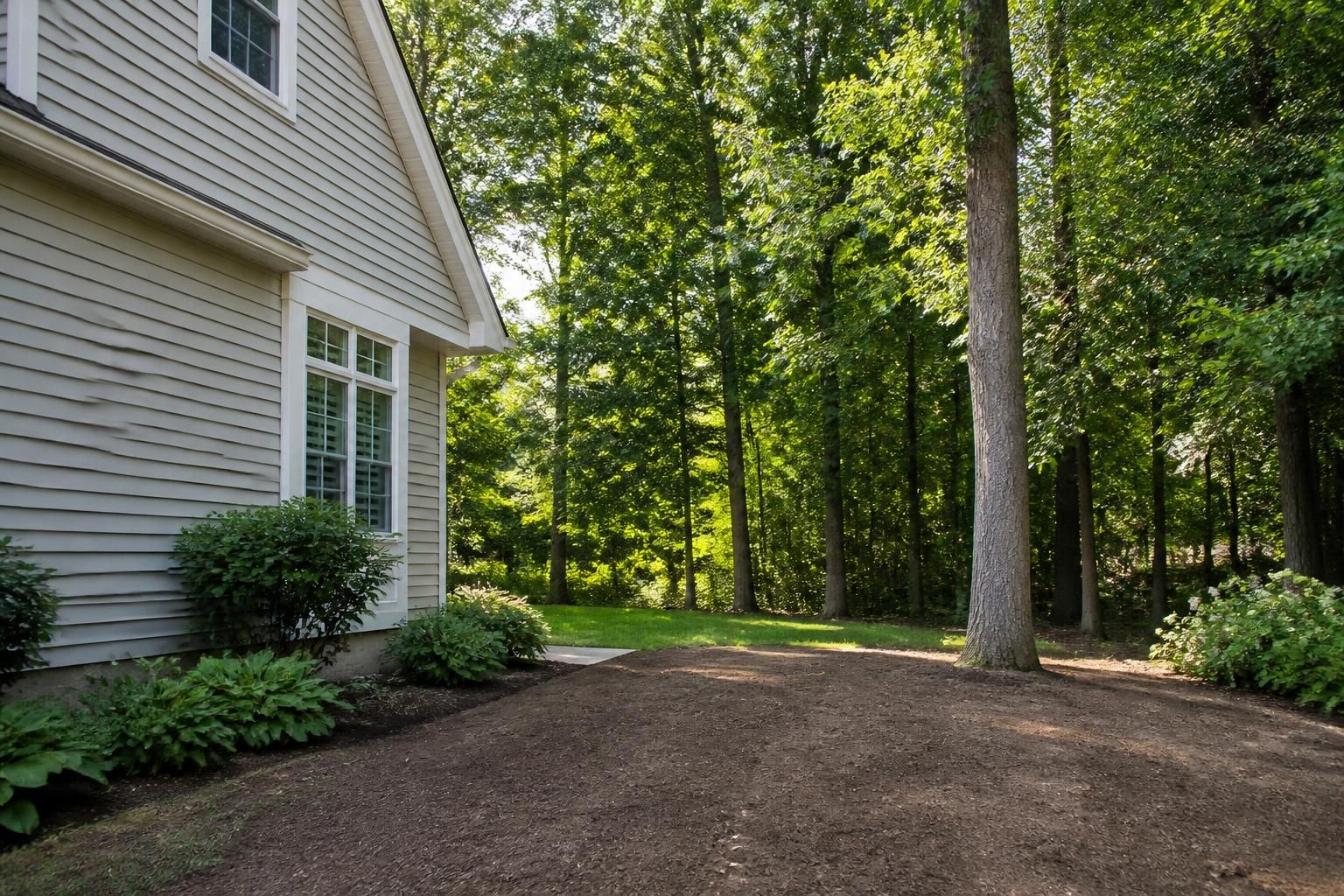
A tree that leans more than usual, drops large limbs, or sounds hollow under a light knock can turn from a concern into a serious hazard fast. If you are looking at a tree near your home, driveway, fence, or utility area and wondering whether it can wait, it probably should not.
Emergency Tree Service Fort Mill helps property owners handle hazardous trees before they fall or shed more damage. If the tree is cracked, uprooted, split, or already dropping branches, we can remove the danger and clear the area with care for your property.
Some trees show damage before they come down. Others look steady until wind, rain, or a heavier load puts stress on weak points. Knowing what to watch for can help you act before the situation gets worse.
These signs do not always mean a tree must come down right away, but they do mean the tree needs attention. A hazardous tree can shift without warning, especially if the root system or trunk has already been weakened.
Hazard tree removal is more than cutting down a tree that looks bad. The goal is to eliminate the risk while protecting nearby structures, access points, and surrounding trees that should stay untouched.
At Emergency Tree Service Fort Mill, we handle hazardous removals for trees and large limbs that threaten property or block safe access. That can include:
We work to remove the hazard without creating avoidable damage around it. That matters when the tree sits close to a house, fence, vehicle area, or other feature that needs to remain protected.
Hazard tree removal should begin with a clear look at what is failing and what could be affected if the tree shifts. A tree can look manageable from one angle and dangerous from another, especially if damage is hidden on the far side or near the roots.
We review the tree’s condition, the direction of lean, broken limbs, trunk splits, and nearby obstacles.
We decide how to bring the tree down or take it apart safely, depending on its position and condition.
We cut, section, or clear the tree in a controlled way so the risk is taken out of the area.
Debris, limbs, and leftover material are removed so you can regain usable space.
This process helps reduce extra harm during removal. A hazardous tree is already unstable, so the method has to fit the condition of the tree rather than rely on a one-size approach.
Fort Mill weather can leave trees stressed, split, or uprooted enough to become unsafe even when they are still standing. After wind, rain, or lightning, a tree may hold together for a short time and then fail later. That is why storm damage tree removal often becomes urgent after the obvious part of the storm has passed.
A standing tree can still be dangerous if the trunk is cracked, the roots are loosened, or a heavy limb is torn but not fully detached. These trees may shift during another gust or when the ground gets wetter.
Fallen trees can block driveways, press against structures, or leave hanging sections that are still unstable. Even if the main trunk is on the ground, attached limbs can spring loose or roll when cut.
If the tree was damaged by wind, rain, or lightning, hazard tree removal should be handled before someone tries to trim it casually or drag debris away by hand. The tree may fail in a direction that is hard to predict.
Hazard tree removal should do more than take out the tree. It should protect the surrounding space from avoidable damage while the work is being done. That is especially important when a tree is close to a roofline, fence, shed, parked vehicle, or hardscape.
We pay attention to the tree’s lean, the weight of hanging limbs, and the safest way to reduce the load before the final cut. When the situation calls for it, the tree is taken apart in sections rather than dropped all at once.
That careful process helps keep a tree problem from turning into a broader property problem.
Some situations call for restraint. A hazardous tree can look tempting to cut a little at a time, but that can make the risk worse if the trunk or root system is already compromised.
Do not climb a damaged tree, cut hanging limbs without a plan, or pull on a partially fallen trunk. Avoid standing directly under dead limbs or broken branches. If a tree is resting on another object or appears to be under tension, it should be treated as unstable.
Fort Mill property owners often call when a tree has started to lean, split, or shed heavy limbs after changing weather. That is the right time to act. Waiting too long can narrow the options and increase the chance of further damage.
Once the hazard is removed, the site still needs attention. A damaged tree can leave behind a mess of branches, trunk sections, saw debris, and a stump that gets in the way of yard use. We can clear the work area and leave it more manageable.
Depending on the job, cleanup may include brush clearing, stump grinding, and removal of leftover tree material. If the tree came down across the yard or driveway area, clearing the debris can be the step that restores access and keeps the property from feeling blocked off.
For many homeowners, the relief comes after the site is safe and usable again. That final cleanup matters just as much as the removal itself.
Emergency Tree Service Fort Mill serves Fort Mill, SC and nearby communities such as Tega Cay, Lake Wylie, Indian Land, Baxter Village, Riverview, and Clover. If you are dealing with a hazardous tree, a broken limb over your yard, or a tree that no longer feels stable, we can help with removal and cleanup that fits the situation.
Call +18036206180 or email contact@EmergencyTreeServiceFortMill.com to discuss the tree, the visible damage, and the best next step. We are available Monday through Saturday, 8:00 AM to 7:00 PM.
Look for trunk splits, a fresh lean, exposed roots, dead hanging limbs, or major cracks where branches attach. Any of those signs should be taken seriously.
Yes. Partially fallen trees are often the most important to address because they can shift again while still attached or resting on another surface.
That is a common reason for hazard tree removal. The approach should be planned around nearby structures so the risk is reduced while the tree is taken out.
Yes. Hazardous branches and broken limbs are part of this service when they threaten safety or property.
Yes. Cleanup can include brush clearing and removal of leftover debris so the site is not left cluttered after the hazard is gone.
We work across Fort Mill, SC and nearby areas such as Rock Hill, Tega Cay, Lake Wylie, Pineville, Charlotte, Indian Land, Baxter Village, Riverview, Newport, Clover, and York.
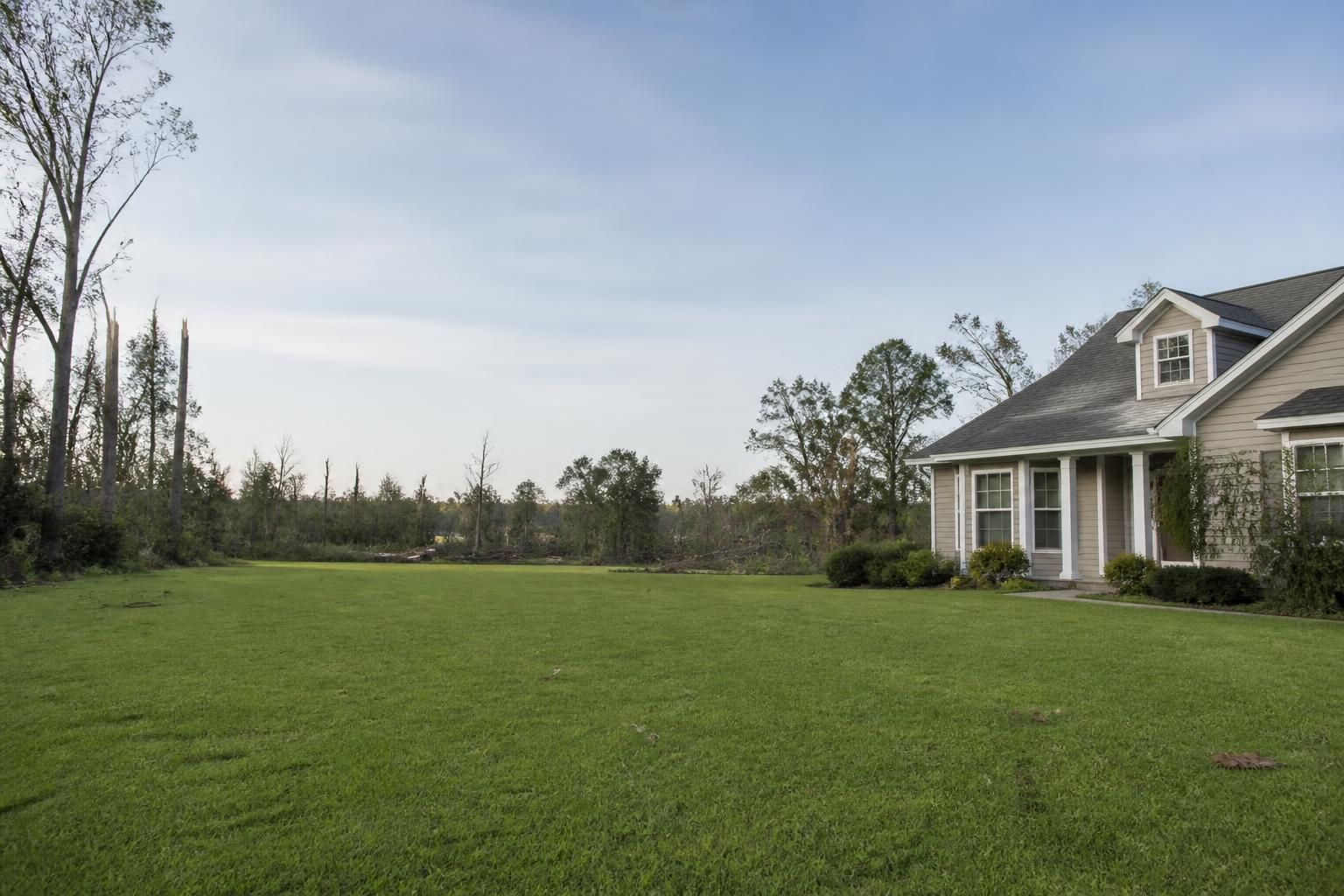
Get Help Fast
Tell us what happened, where the damage is located, and what kind of tree issue you are facing. We will help you determine the next step for urgent removal, cleanup, or hazard reduction.